
Want next week planned and priced? Mittsy is free.
Walking into the store without a list for a family of four costs money. You forget things, grab extras “just in case,” and end up with pasta and no sauce, chicken and nothing to go with it. The average family of four spends between $150 and $350 per week on groceries in 2026, depending on the store, what’s already in the pantry, and whether dinners were planned before the trip. This guide gives you a complete weekly grocery list organized by aisle, estimated costs per category, a sample week of dinners, and a few ways to trim the bill when the budget is tighter than usual.
A grocery list for a family of four covers roughly 40-55 items across six categories: produce, meat and protein, dairy, bread and grains, pantry staples, and frozen goods. A planned week of seven dinners typically runs $130-$200 at stores like Walmart, Kroger, or Aldi, depending on what’s already stocked at home.
How Much Does a Family of Four Spend on Groceries?
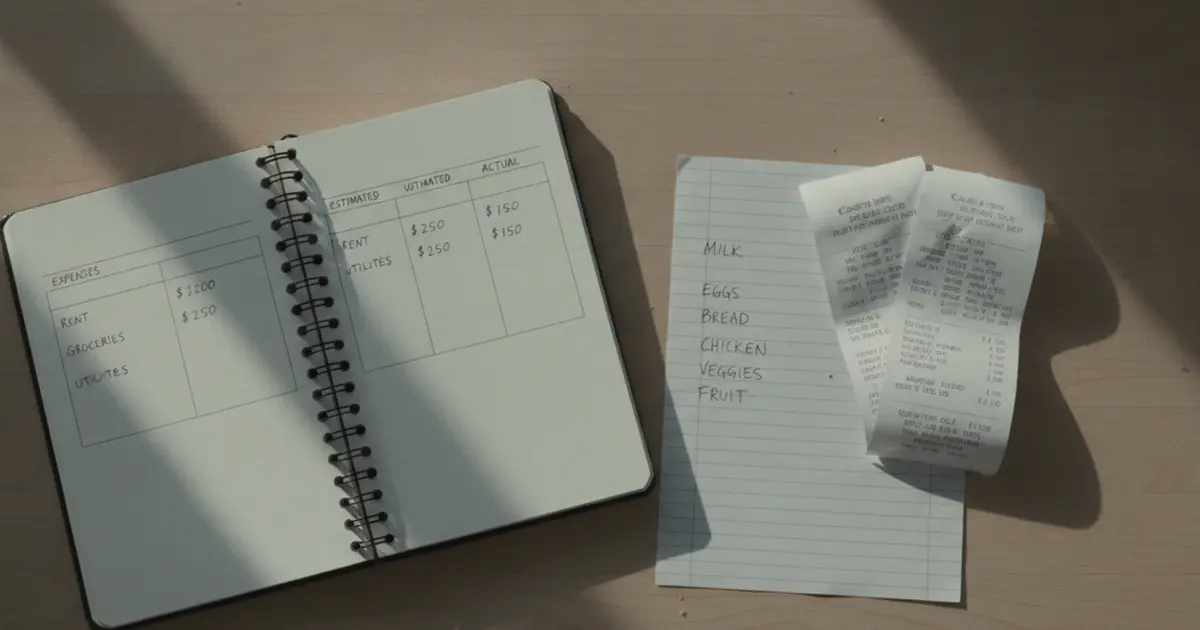
The USDA publishes four food cost tiers each month for US households. For a family of four with two school-age children, the 2026 Thrifty Food Plan runs approximately $239/week; the Low-Cost Plan runs ~$289/week; the Moderate-Cost Plan ~$349/week; and the Liberal Plan ~$436/week. These figures assume all meals are home-cooked and come from seasonally adjusted USDA data. Most families land between the Thrifty and Moderate tiers, putting the realistic weekly grocery budget for a family of four at $200-$320. The biggest variable is store choice: Aldi prices 10-30% below Kroger on identical staples, and buying chicken thighs at Costco in bulk brings the per-serving cost below $1.00 versus roughly $1.40 at full-service chains. Planning all seven dinners before shopping, and sharing ingredients across at least two meals, cuts weekly spending by $25-$45 compared to buying without a plan. USDA food waste research puts the average household discard rate at 30-40% of purchased food, most of it from items bought without a specific meal in mind.
The full USDA tier breakdown, with per-person and per-household figures for every age group, is in our USDA Food Plans: 2026 Cost Tables guide.
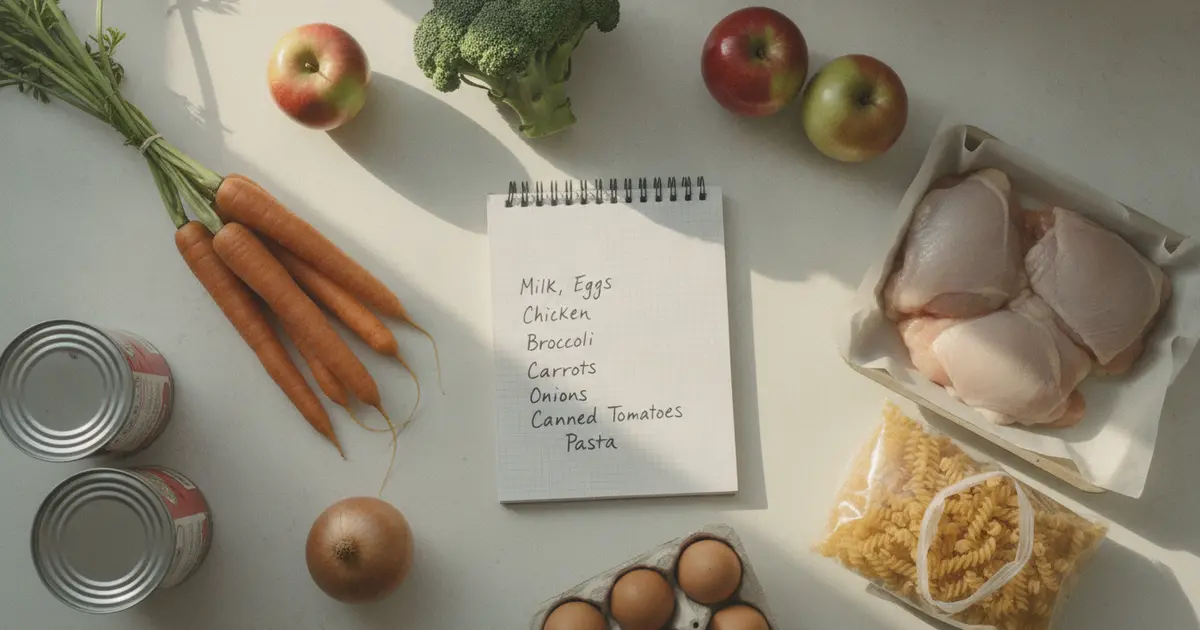
The Weekly Grocery List for a Family of Four
This list covers seven dinners plus breakfasts and lunches for four people. Kids under 10 generally eat about 60-70% of an adult protein portion but similar amounts of fruit, bread, and dairy, so the quantities below scale fairly well for a family with younger children.
Prices are estimates based on typical 2026 shelf prices at Walmart, Kroger, and Aldi. Your actual total will vary by region and sale cycle.
Produce
- Onions, 3 lb bag (~$1.50)
- Garlic, 1 bulb (~$0.80)
- Carrots, 2 lb bag (~$1.80)
- Broccoli, 1 head or 12 oz bag frozen (~$2.00)
- Spinach, 5 oz bag (~$3.50)
- Roma tomatoes, 4 count (~$2.00)
- Potatoes, 5 lb bag (~$4.50)
- Bell peppers, 3 count (~$3.00)
- Bananas, 1 bunch (~$1.50)
- Apples, 3 lb bag (~$4.00)
- Lemons, 2 count (~$1.00)
Estimated produce subtotal: ~$26-$28
Meat and protein
- Chicken thighs, bone-in, 4 lb (~$7.00)
- Ground beef or turkey, 2 lb (~$8.00)
- Eggs, 18-count (~$4.50)
- Canned chickpeas or kidney beans, 2 × 15 oz cans (~$2.50)
- Canned tuna, 2 × 5 oz cans (~$2.80)
Estimated protein subtotal: ~$25-$27
Dairy
- Milk, 1 gallon (~$3.50)
- Shredded cheese, 8 oz bag (~$3.00)
- Butter, 1 lb (~$5.00)
- Sour cream or plain Greek yogurt, 16 oz (~$3.50)
Estimated dairy subtotal: ~$15-$16
Bread and grains
- Sandwich bread, 1 loaf (~$2.50)
- Pasta, 2 × 16 oz boxes (~$2.50)
- White or brown rice, 2 lb bag (~$2.00)
- Flour tortillas, 10-count pack (~$3.00)
- Rolled oats, 42 oz canister (~$4.00, lasts several weeks)
Estimated grains subtotal: ~$14-$15
Pantry staples
- Canned crushed tomatoes, 2 × 28 oz cans (~$4.00)
- Chicken or vegetable broth, 32 oz carton (~$2.50)
- Olive oil or vegetable oil, 16 oz (~$5.00; skip if already stocked)
- Soy sauce, 10 oz bottle (~$2.00; skip if already stocked)
- Cumin, chili powder, paprika (buy once, restock every few months)
Estimated pantry subtotal — first stocking week: ~$14-$18; recurring weeks: ~$6-$9
Frozen
- Frozen peas or mixed vegetables, 12 oz bag (~$2.00)
- Frozen corn, 12 oz bag (~$1.80)
Estimated frozen subtotal: ~$4
Total weekly estimate: ~$130-$155 at Aldi or Walmart, ~$155-$185 at Kroger or Target
That range assumes pantry staples (oil, soy sauce, spices) are already stocked. A first week with full pantry stocking adds $10-$20.
What Those Groceries Become: A Sample Week of Dinners
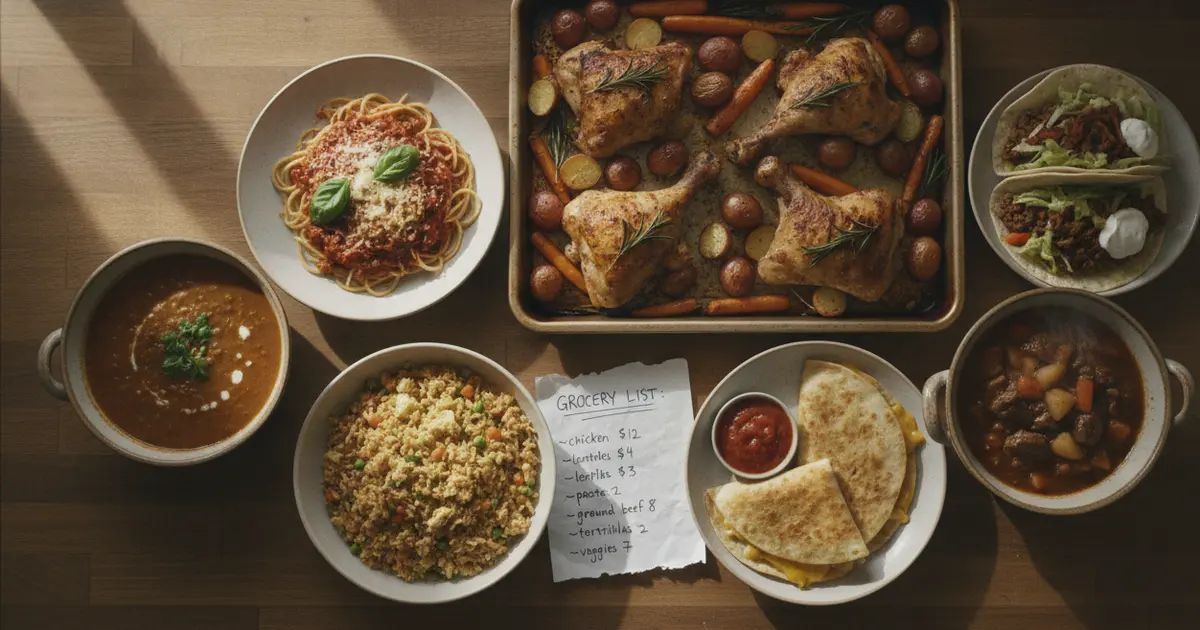
Every item on this list works across more than one meal. Here’s one way to run the week without buying anything extra:
Monday: Sheet-pan chicken thighs with potatoes and carrots (~$1.80/serving)
Tuesday: Ground beef tacos with bell peppers, shredded cheese, and flour tortillas (~$1.60/serving)
Wednesday: Pasta with crushed tomato sauce, sautéed spinach, and chickpeas (~$0.90/serving)
Thursday: Leftover taco filling over rice with frozen corn (~$0.80/serving, uses Tuesday’s ground beef)
Friday: Chicken stir-fry with broccoli, soy sauce, and rice (~$1.50/serving, uses Monday’s leftover chicken)
Saturday: Egg and potato frittata with toast (~$0.70/serving)
Sunday: Tomato soup with grilled cheese, using crushed tomatoes, broth, bread, butter, and cheese (~$0.80/serving)
Seven dinners, four servings each, at roughly $56-$65 in protein and produce for the week. The rest of the list covers breakfasts (oats, eggs, fruit) and lunches (tuna sandwiches, yogurt, leftovers).
The full priced version of this plan, with an aisle-sorted list and weekly total, is in our Meal Plan for Family of 4 guide.
How to Trim the List When the Budget Gets Tight
Drop one protein and stretch the other. Skip the canned tuna and add a third pound of chicken thighs instead. One flexible protein used three ways costs less and wastes less than two proteins each used once.
Buy frozen produce for anything you’ll cook. Frozen broccoli, peas, spinach, and corn cost 30-40% less than their fresh equivalents and stay usable the entire week. Save the fresh produce budget for things you’ll eat raw: apples, bananas, tomatoes for tacos.
Check the pantry before you write the list. Half a bag of rice, leftover pasta, a can of beans from last week — every item you find at home is one less item to buy. Subtract first, then shop.
Compare proteins across stores. If Aldi or Walmart is within reach, buy chicken and ground beef there even if you prefer another store for produce. The per-pound price gap on chicken thighs alone saves $3-$5 on this list.
Plan a meatless night. The pasta-and-chickpeas dinner above costs under $1 per serving. One meatless night per week saves $6-$10 off the protein budget without anyone going hungry.
For a deeper look at what a grocery budget for a family of four should realistically be, the Grocery Budget for Family of 4 guide covers USDA benchmarks, real-world store-by-store ranges, and how household size changes the math.
How Mittsy Builds Your Grocery List Automatically
Writing this list by hand each week takes 20-30 minutes. Mittsy pulls it from the plan.
You set your household size, the store you shop at (Walmart, Kroger, Aldi, and six other US chains), and a weekly budget. Mittsy builds seven dinners around those inputs, then generates an aisle-sorted grocery list from the plan. The list is free. Add Mittsy Pro to see an estimated price on every line and a live budget bar that goes green when you’re under and apricot when you’ve gone over. Pantry items you’ve already marked as stocked come off the list automatically, so you’re not buying rice when there’s still half a bag on the shelf.
No account is needed. The cookbook, planner, grocery list, and pantry are free and unlimited.
Frequently Asked Questions
What groceries should a family of 4 buy on a budget? Focus on proteins that stretch across multiple meals: chicken thighs, ground beef, eggs, and canned beans. Pair them with cheap staples like rice, pasta, potatoes, and oats, plus frozen or seasonal produce. Shopping at Aldi or Walmart, this combination feeds four people seven dinners for roughly $90-$130 per week, depending on what’s already in the pantry.
How many items should be on a weekly grocery list for a family of four? A typical week covers 40-55 distinct items across produce, protein, dairy, grains, and pantry staples. The count drops in subsequent weeks once pantry staples like oil, spices, and rice are already stocked from a previous shop.
How do I make a budget grocery list last all week? Plan the week’s meals before building the list, and assign every ingredient to at least one specific dinner. Proteins used across two meals stretch the list furthest. This cross-use approach is why a planned week typically costs $25-$45 less than an unplanned one.
What is a realistic grocery budget for a family of 4 in 2026? The USDA Thrifty Food Plan puts it at approximately $239/week for a family of four with two school-age children. Most US families with two adults and two kids spend $200-$320 per week when cooking all meals at home. Store choice is the single biggest lever.
Should I make the meal plan or the grocery list first? Plan meals first, then build the list from those meals. A grocery list without a meal plan behind it leads to duplicate items, wasted produce, and a mid-week store run. Even a rough plan — five dinners chosen, two flexible nights — is enough to cut the list down to what you’ll actually use.
If you want the list built and priced before you leave the house, download Mittsy. Set your store, your budget, and your household size, and it writes the week’s dinners with a full aisle-sorted grocery list and estimated cost per line. Free to try, no account needed.
Related reading: AI Meal Planner: What It Does (and What ChatGPT Can’t) · Cheap Meal Plan for a Week: 7 Dinners Under ~$70 (Family of 4)